Hey there! As a supplier of tubular locks, I often get asked about the differences between single-bitted and multi-bitted tubular locks. So, I thought I’d take a moment to break it down for you in a way that’s easy to understand. Tubular Lock
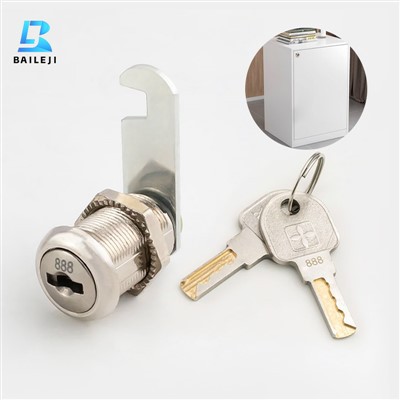
First off, let’s talk about what a tubular lock is. A tubular lock, also known as a radial lock, is a type of lock that uses a set of pins arranged in a circular pattern around a central cylinder. These pins are pushed up or down by the key to align with the shear line, allowing the lock to turn. Tubular locks are commonly used in a variety of applications, including vending machines, bicycles, and some types of safes.
Now, let’s get into the differences between single-bitted and multi-bitted tubular locks.
Single-Bitted Tubular Locks
Single-bitted tubular locks are the simpler of the two. As the name suggests, these locks have only one set of pins that are operated by the key. The key for a single-bitted tubular lock has a single row of cuts that correspond to the pins in the lock. When the key is inserted into the lock and turned, the cuts on the key push the pins up or down to align with the shear line, allowing the lock to open.
One of the main advantages of single-bitted tubular locks is their simplicity. They are relatively easy to manufacture, which makes them more affordable than multi-bitted locks. They are also less complex to operate, which means they are less likely to malfunction or jam. This makes them a popular choice for applications where cost is a major factor, such as in vending machines or low-security locks.
However, single-bitted tubular locks also have some limitations. Because they have only one set of pins, they offer less security than multi-bitted locks. It is relatively easy for a skilled locksmith or a determined thief to pick a single-bitted tubular lock using simple tools. Additionally, single-bitted locks have a limited number of key combinations, which means that there is a higher chance of two keys being able to open the same lock.
Multi-Bitted Tubular Locks
Multi-bitted tubular locks, on the other hand, have multiple sets of pins that are operated by the key. The key for a multi-bitted tubular lock has multiple rows of cuts that correspond to the different sets of pins in the lock. When the key is inserted into the lock and turned, the cuts on the key push the pins up or down to align with the shear line, allowing the lock to open.
One of the main advantages of multi-bitted tubular locks is their increased security. Because they have multiple sets of pins, they offer a greater number of key combinations, which makes them more difficult to pick. This makes them a popular choice for applications where security is a major concern, such as in high-security locks or safes.
Another advantage of multi-bitted tubular locks is their durability. Because they have more pins and a more complex mechanism, they are less likely to wear out or malfunction over time. This makes them a better long-term investment than single-bitted locks, especially in applications where the lock will be used frequently.
However, multi-bitted tubular locks also have some disadvantages. They are more complex to manufacture, which makes them more expensive than single-bitted locks. They are also more difficult to operate, which means they are more likely to jam or malfunction if not used properly. This makes them a less popular choice for applications where cost is a major factor or where the lock will be used by inexperienced users.
Which One Should You Choose?
So, which type of tubular lock is right for you? The answer depends on your specific needs and requirements.
If you are looking for a simple, affordable lock for a low-security application, such as a vending machine or a bicycle lock, then a single-bitted tubular lock may be the right choice for you. These locks are easy to operate and relatively inexpensive, making them a popular choice for many consumers.
On the other hand, if you are looking for a high-security lock for a more important application, such as a safe or a high-security door, then a multi-bitted tubular lock may be the better choice. These locks offer a greater number of key combinations and are more difficult to pick, which makes them a more secure option.
Ultimately, the decision of which type of tubular lock to choose comes down to your specific needs and budget. If you have any questions or need further advice on which type of lock is right for you, please don’t hesitate to contact me. I’d be happy to help you find the perfect lock for your needs.
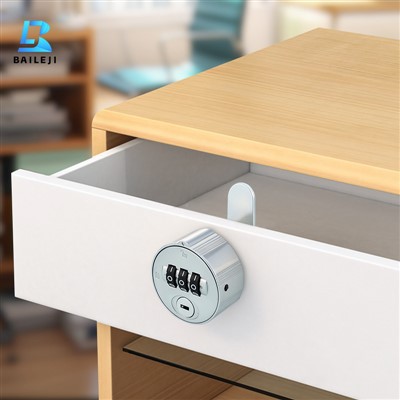
As a tubular lock supplier, I offer a wide range of single-bitted and multi-bitted tubular locks to meet the needs of my customers. Whether you are looking for a high-security lock for a commercial application or a simple, affordable lock for a residential use, I have the right lock for you.
Door Lock Cylinder If you are interested in purchasing tubular locks from me, please feel free to contact me to discuss your requirements. I can provide you with a quote and help you choose the right lock for your needs. I look forward to hearing from you and helping you find the perfect tubular lock for your application.
References
- "Tubular Locks: A Comprehensive Guide." Locksmith Ledger.
- "Single-Bitted vs. Multi-Bitted Tubular Locks: What’s the Difference?" Security Today.
- "The Advantages and Disadvantages of Tubular Locks." Locksmith Magazine.
Suzhou Baileji Intelligent Lock Industry Co., Ltd.
As one of the most professional tubular lock enterprises in China, we’re featured by quality products and good price. Please rest assured to buy discount tubular lock in stock here and get pricelist from our factory. Also, customized service is available.
Address: 3rd Floor, Building 9, Shengteng Industrial Park, No. 8 Ruyuan Road suzhou, jiangsu, China
E-mail: vip@bailejilocks.com
WebSite: https://www.bailejilock.com/
