As a supplier of 300D Oxford fabric, I’ve received numerous inquiries about how this material performs in wet conditions. The 300D Oxford fabric is a popular choice in various industries, from outdoor gear to fashion, and understanding its behavior in moisture – exposed settings is crucial for customers. 300D Oxford Fabric
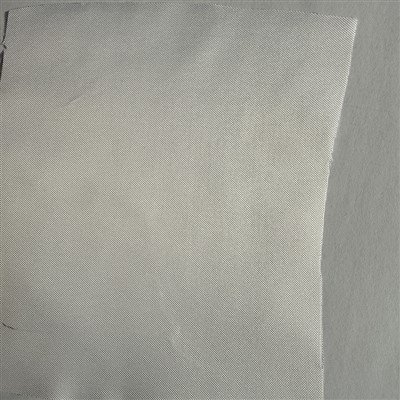
Physical Properties of 300D Oxford Fabric
To understand how 300D Oxford fabric holds up in wet conditions, we first need to look at its physical properties. The "300D" refers to the denier of the fabric. The denier is a unit of measurement for the linear mass density of fibers. In general, a 300D fabric is composed of relatively fine yarns. The Oxford construction means the fabric is made using a specific weaving pattern where the warp and weft yarns are interlaced to create a distinct, square – like texture.
One of the fundamental characteristics of 300D Oxford fabric is its relatively lightweight. This makes it an ideal choice for applications where weight is a concern, such as backpacks or lightweight tents. However, this lightweight nature also has an impact on its interaction with water.
Initial Exposure to Water
When 300D Oxford fabric first comes into contact with water, several things happen. The fabric has a certain degree of porosity due to its weaving pattern and the fineness of the yarns. Water molecules can start to penetrate the fabric relatively quickly. Unlike some heavier, more tightly woven fabrics, 300D Oxford fabric will soak up water on the surface quite readily.
The initial absorption of water leads to a change in the fabric’s weight. As water is absorbed, the fabric becomes heavier. This can be a critical consideration for products like backpacks used in hiking. A wet backpack can significantly increase the overall load carried by the user, which might affect their mobility and comfort.
Water Resistance and Treatment
Many manufacturers, including ourselves, apply water – resistant treatments to 300D Oxford fabric. These treatments work by forming a thin layer on the surface of the fabric that repels water. The most common treatment is the Durable Water Repellent (DWR) finish.
A well – applied DWR finish can cause water to bead up on the surface of the fabric rather than being absorbed. This is because the DWR treatment reduces the surface tension between the water and the fabric, making it difficult for water to spread and penetrate. When water beads up, it is more likely to roll off the fabric, keeping the interior dry.
However, the effectiveness of the DWR finish has limitations. Over time, with repeated use and exposure to friction, the DWR finish can wear off. For example, if a backpack made of 300D Oxford fabric is constantly rubbing against the user’s back, the DWR on that area may degrade faster. Once the DWR wears off, the fabric starts to lose its ability to repel water efficiently, and water absorption becomes more likely.
Long – term Exposure to Wet Conditions
In situations where the 300D Oxford fabric is exposed to wet conditions for an extended period, such as a long – duration rainstorm or being submerged in water, the fabric’s performance changes.
Without an intact DWR finish, the fabric will continue to absorb water. As more water is taken in, the fabric becomes saturated. This saturation can lead to the growth of mold and mildew, especially in warm and humid environments. Mold and mildew not only damage the fabric’s appearance but can also weaken the structure of the yarns over time.
The strength of the 300D Oxford fabric can also be affected by long – term water exposure. When the fabric is wet, the fibers become more pliable, and the overall fabric may lose some of its tensile strength. This means that it is more likely to tear or stretch under stress compared to when it is dry.
Drying Process
When the wet 300D Oxford fabric starts to dry, several factors come into play. The drying speed depends on environmental conditions such as temperature, humidity, and air circulation. In a warm and dry environment with good airflow, the fabric will dry relatively quickly.
However, improper drying can cause problems. If the fabric is dried at high temperatures, such as in a hot dryer, it can damage the fabric. The heat can cause the fibers to shrink or become brittle, reducing the fabric’s overall durability. Additionally, if the fabric is not dried completely, it can still be prone to mold and mildew growth.
Applications and Performance in Wet Conditions
In the outdoor industry, 300D Oxford fabric is commonly used in backpacks, tents, and rain gear. For backpacks, as mentioned earlier, the fabric’s ability to handle water is important. A backpack with a good DWR – treated 300D Oxford fabric can keep the contents dry during light rain. But in a heavy downpour, especially without proper waterproof covers, the water may eventually seep through.
In tents, 300D Oxford fabric is often used for the outer shell. The tent manufacturers often rely on additional waterproof coatings and seams sealing to enhance the fabric’s performance in wet conditions. Even so, if the tent is pitched on wet ground or exposed to continuous rain, there is a risk of water penetration, particularly at the seams.
In rain gear, 300D Oxford fabric can provide a degree of water protection. However, compared to specialized waterproof fabrics, it may not be as effective in extremely wet and harsh conditions. But it offers a balance between cost, weight, and water resistance, making it a popular choice for less extreme outdoor activities.
Maintaining 300D Oxford Fabric in Wet Conditions
To ensure the longevity of 300D Oxford fabric in wet conditions, proper maintenance is essential. Regularly reapplying the DWR finish can extend the fabric’s water – repellent capabilities. This can be done using commercial DWR sprays.
After exposure to water, the fabric should be dried thoroughly as soon as possible. If there are signs of mold or mildew, gentle cleaning with a mild detergent can help remove the growth. However, care should be taken not to damage the fabric during the cleaning process.
Conclusion

In conclusion, 300D Oxford fabric has a mixed performance in wet conditions. Its lightweight and versatile nature make it a popular choice for many applications. With a proper DWR treatment, it can offer a good level of water resistance in normal conditions. However, long – term exposure to water can lead to issues such as water absorption, mold growth, and reduced strength.
Quilted Fabric As a supplier of 300D Oxford fabric, we are committed to providing high – quality products and sharing our knowledge about the fabric’s performance. If you are considering purchasing 300D Oxford fabric for your project, whether it’s for outdoor gear, fashion items, or other applications, we encourage you to contact us for more information. We can discuss your specific needs and help you choose the most suitable fabric and treatment options. Our team of experts is ready to assist you in making the best decision for your business.
References
- Textile Institute. "Handbook of Textile Fibre Structure and Properties."
- ASTM International. Standards related to water resistance and durability of fabrics.
- Outdoor Industry Association research reports on fabric performance in outdoor conditions.
Dongyang Huangxiu Leather & Plastic Co., Ltd.
With abundant experience, we are one of the most professional 300d oxford fabric manufacturers in China. We warmly welcome you to wholesale customized 300d oxford fabric made in China here from our factory. If you have any enquiry about quotation and free sample, please feel free to email us.
Address: Huangxiu Leather & Plastic Products, No. 79 Shunda Road, Huashui Town, Dongyang City, Zhejiang Province
E-mail: x372921764@163.com
WebSite: https://www.huangxiutextile.com/
