Orthognathic oral surgery, also known as corrective jaw surgery, is a specialized area of oral and maxillofacial surgery that focuses on correcting irregularities of the jaw bones and ensuring that the teeth and jaws are properly aligned. As a supplier in the field of oral surgery, I’ve witnessed firsthand the profound impact this procedure can have on patients’ lives. In this blog, I’ll delve into the purposes of orthognathic oral surgery, exploring how it addresses various clinical issues and improves patients’ quality of life. Oral Surgery
1. Correcting Malocclusion and Bite Problems
One of the primary purposes of orthognathic oral surgery is to correct malocclusion, which refers to misalignment of the teeth and jaws. Malocclusion can manifest in several forms, such as overbite, underbite, crossbite, and open bite. These bite problems not only affect the appearance of the face but also have significant implications for oral health and function.
An overbite occurs when the upper front teeth protrude significantly over the lower front teeth. This can lead to excessive wear on the teeth, as well as difficulty in chewing and speaking. In severe cases, it may even cause jaw pain and temporomandibular joint (TMJ) disorders. Orthognathic surgery can reposition the upper and lower jaws to correct the overbite, improving the alignment of the teeth and reducing the risk of associated complications.
Underbite, on the other hand, is characterized by the lower teeth protruding in front of the upper teeth. This can cause aesthetic concerns and may also lead to problems with chewing, speech, and oral hygiene. By surgically repositioning the jaws, orthognathic surgery can correct the underbite and restore normal function and appearance.
Crossbite is a condition where the upper teeth do not align properly with the lower teeth when biting down. This can occur in the front or side teeth and may lead to uneven wear on the teeth, gum recession, and jaw problems. Orthognathic surgery can correct the crossbite by adjusting the position of the jaws, ensuring proper alignment of the teeth and preventing further damage to the oral structures.
Open bite is a condition where the front or back teeth do not meet when the jaws are closed. This can make it difficult to bite into food, speak clearly, and may also cause abnormal tongue posture and swallowing problems. Orthognathic surgery can correct the open bite by repositioning the jaws and aligning the teeth, improving both function and aesthetics.
2. Enhancing Facial Aesthetics
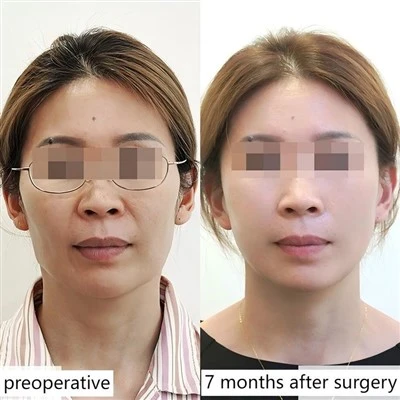
In addition to correcting malocclusion and bite problems, orthognathic oral surgery can also have a significant impact on facial aesthetics. The jaws play a crucial role in determining the shape and symmetry of the face, and misaligned jaws can cause facial asymmetry, a recessed or protruding chin, and an unbalanced facial appearance.
By repositioning the jaws, orthognathic surgery can improve facial harmony and balance, enhancing the overall appearance of the face. For example, in cases where the chin is recessed, a genioplasty (chin surgery) may be performed in conjunction with orthognathic surgery to augment the chin and create a more balanced facial profile. Similarly, in cases where the jaws are uneven or misaligned, orthognathic surgery can correct the asymmetry and create a more symmetrical and attractive face.
Improved facial aesthetics not only boost the patient’s self – confidence but also have a positive impact on their social and psychological well – being. Patients who have undergone orthognathic surgery often report feeling more comfortable in their own skin and are more willing to engage in social activities.
3. Treating Temporomandibular Joint (TMJ) Disorders
The temporomandibular joints are the joints that connect the jawbone to the skull, allowing for movement of the jaw during activities such as chewing, speaking, and yawning. TMJ disorders can cause a variety of symptoms, including pain in the jaw joint, clicking or popping sounds when opening or closing the mouth, limited jaw movement, and headaches.
In some cases, TMJ disorders are caused by misalignment of the jaws. Orthognathic oral surgery can correct the underlying jaw misalignment, which may help alleviate the symptoms of TMJ disorders. By realigning the jaws, the pressure on the TMJ is redistributed, reducing the stress on the joint and improving its function.
However, it’s important to note that not all cases of TMJ disorders can be treated with orthognathic surgery. A comprehensive evaluation by a qualified oral and maxillofacial surgeon is necessary to determine the underlying cause of the TMJ disorder and the most appropriate treatment approach.
4. Improving Breathing and Sleep Apnea
Orthognathic oral surgery can also be used to improve breathing problems, particularly in cases of obstructive sleep apnea (OSA). OSA is a common sleep disorder characterized by repeated episodes of partial or complete obstruction of the upper airway during sleep, leading to interrupted breathing, snoring, and daytime fatigue.
In some patients, OSA is caused by a narrow or collapsed airway due to misaligned jaws. Orthognathic surgery can widen the airway by repositioning the jaws forward, creating more space for the tongue and soft tissues in the throat. This can help reduce the frequency and severity of airway obstructions during sleep, improving breathing and reducing the symptoms of OSA.
Studies have shown that orthognathic surgery can be an effective treatment option for patients with moderate to severe OSA, especially those who do not respond well to other treatments such as continuous positive airway pressure (CPAP) therapy.
5. Restoring Oral Function after Trauma or Disease
Orthognathic oral surgery is also used to restore oral function and appearance in patients who have suffered from facial trauma or certain diseases. Facial trauma, such as fractures of the jaws or facial bones, can cause significant damage to the oral and maxillofacial structures, leading to misalignment of the teeth and jaws, difficulty in chewing and speaking, and facial disfigurement.
Orthognathic surgery can be used to realign the fractured bones and restore the normal anatomy and function of the jaws. In some cases, bone grafting may be necessary to replace missing bone and promote healing.
Certain diseases, such as tumors or cysts in the jaw, may also require surgical intervention. After the removal of the tumor or cyst, orthognathic surgery may be performed to reconstruct the jaw and restore oral function and aesthetics.
Our Role as an Oral Surgery Supplier
As an oral surgery supplier, we understand the importance of providing high – quality products and solutions that support orthognathic oral surgery. We offer a wide range of surgical instruments, implants, and materials that are designed to meet the specific needs of oral and maxillofacial surgeons.
Our products are manufactured using the latest technologies and adhere to strict quality control standards to ensure safety and effectiveness. We work closely with surgeons and dental professionals to understand their requirements and provide customized solutions that can enhance the surgical outcomes and improve patient care.

We also provide comprehensive training and support to our customers, helping them to stay updated with the latest advancements in orthognathic oral surgery and ensuring that they are able to use our products safely and effectively.
Neck Lift If you are an oral and maxillofacial surgeon, a dental clinic, or a healthcare provider looking for reliable oral surgery supplies, we invite you to contact us. We are committed to providing you with the best products and services, and we look forward to discussing how we can meet your needs and support your practice.
References
- Bell, W. H. (2000). Modern Practice of Orthognathic and Reconstructive Surgery. Little, Brown and Company.
- Proffit, W. R., Fields, H. W., & Sarver, D. M. (2013). Contemporary Orthodontics. Mosby.
- Wolford, L. M. (2010). Orthognathic Surgery. Saunders.
Yuan Qiang
With over 20 years’ experience, Dr. Yuan Qiang is a professional doctor specializes in comprehensive treatment for oral surgery. If you have any enquiry about oral surgery, please feel free to email us. Good service and reasonable price are available.
Address: 602, South Zone, 5th Floor, Building 122, Nanhu Dongyuan, Chaoyang District, Beijing
E-mail: 496864416@qq.com
WebSite: https://www.yuanqiang-doctor.com/
