When it comes to the industrial world, control valves play a crucial role in regulating the flow, pressure, temperature, and level of various fluids. As a control valves supplier, I understand the importance for customers to compare products from different manufacturers to make an informed purchasing decision. In this blog, I will share some key aspects to consider when comparing control valve products to help you find the most suitable solution for your needs. Control Valves
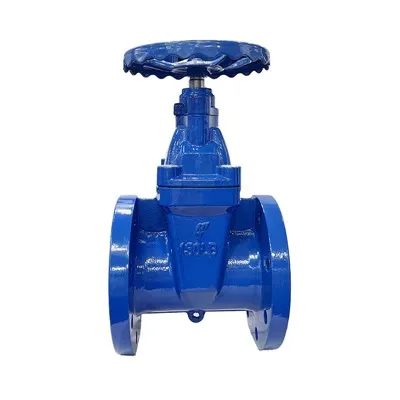
1. Technical Specifications
The first and most essential step in comparing control valves is to examine their technical specifications. These specifications define the valve’s performance capabilities and compatibility with your applications.
Flow Capacity (Cv Value)
The flow coefficient, or Cv value, indicates the amount of fluid that a valve can pass under specific conditions. A higher Cv value means the valve can handle a larger flow rate. When comparing valves, ensure that the Cv value of the selected valve matches the flow requirements of your system. For example, in a large – scale chemical plant where high – volume fluid transportation is required, a valve with a high Cv value is necessary.
Pressure Rating
Pressure rating is another critical specification. It determines the maximum pressure that the valve can withstand without leaking or failing. You need to select a valve with a pressure rating that exceeds the maximum operating pressure of your system to ensure safety and reliability. If your system operates at high pressures, such as in a natural gas pipeline, a valve with a high – pressure rating is a must.
Temperature Range
The temperature range indicates the minimum and maximum temperatures at which the valve can operate effectively. In applications involving extreme temperatures, such as in a steel mill or a cryogenic facility, the valve must be able to withstand the temperature variations without losing its functionality. Make sure the valve’s temperature range is suitable for your specific process conditions.
Actuator Type and Performance
The actuator is responsible for opening and closing the valve. There are different types of actuators, including electric, pneumatic, and hydraulic. Electric actuators offer precise control and are suitable for applications where remote operation and accurate positioning are required. Pneumatic actuators are fast – acting and widely used in industrial processes due to their simplicity and reliability. Hydraulic actuators can provide high – force operation, making them suitable for large – sized valves. When comparing valves from different manufacturers, consider the type of actuator, its speed of operation, and its accuracy.
2. Material Quality
The materials used in the construction of control valves significantly impact their durability, corrosion resistance, and performance.
Valve Body Material
The valve body is the main housing of the valve. Common materials for valve bodies include cast iron, carbon steel, stainless steel, and bronze. Cast iron is cost – effective and suitable for general – purpose applications. Carbon steel offers high strength and is often used in applications with high pressures and temperatures. Stainless steel is corrosion – resistant and is ideal for applications involving corrosive fluids, such as in the chemical and food industries.
Trim Material
The trim consists of components such as the plug, seat, and disk. The trim material should be selected based on the nature of the fluid, the flow rate, and the pressure. For example, in applications with abrasive fluids, a hard – faced trim material like tungsten carbide can provide better wear resistance. In corrosive environments, a corrosion – resistant trim material such as Hastelloy may be required.
Sealing Material
The sealing material is responsible for preventing leakage. Different sealing materials have different chemical resistance, temperature resistance, and compression properties. Common sealing materials include PTFE (polytetrafluoroethylene), rubber, and graphite. PTFE is known for its excellent chemical resistance and low friction, while rubber is flexible and can provide a good seal at lower pressures. Graphite is suitable for high – temperature applications.
3. Design and Construction
The design and construction of control valves can affect their performance, maintenance, and installation.
Valve Type
There are various types of control valves, such as globe valves, ball valves, butterfly valves, and diaphragm valves. Each type has its own advantages and disadvantages. Globe valves offer excellent throttling control and are suitable for applications where precise flow regulation is required. Ball valves provide quick opening and closing and are often used in on – off applications. Butterfly valves are lightweight and have a large flow capacity, making them suitable for large – diameter pipelines. Diaphragm valves are ideal for handling viscous and abrasive fluids.
Construction Quality
Pay attention to the construction quality of the valve, including the machining accuracy, the assembly process, and the quality of welds (if any). A well – constructed valve will have better long – term performance and fewer maintenance issues. Check for smooth operation, proper alignment of components, and tight sealing.
Design for Maintenance
Maintenance – friendly design is important, as it can reduce downtime and maintenance costs. Look for valves that are easy to disassemble, clean, and repair. Some valves have features such as replaceable seats and trims, which can extend the valve’s service life and reduce the need for complete replacement.
4. Manufacturer’s Reputation and Support
The reputation of the manufacturer and the support they provide are also important factors to consider.
Industry Reputation
Research the manufacturer’s reputation in the industry. Look for reviews, testimonials, and case studies from other customers. A manufacturer with a good reputation is more likely to produce high – quality products and provide reliable after – sales service. You can also check if the manufacturer has received any industry awards or certifications, which can be an indication of their product quality and manufacturing standards.
Technical Support
Good technical support is essential, especially when it comes to valve selection, installation, and troubleshooting. A manufacturer that offers comprehensive technical support can help you choose the right valve for your application, provide installation guidance, and assist you in solving any problems that may arise during the operation of the valve. Check if the manufacturer has a team of experienced engineers who can respond to your inquiries in a timely manner.
Warranty and After – sales Service
A generous warranty period and reliable after – sales service are signs of a confident and responsible manufacturer. A longer warranty period indicates that the manufacturer has confidence in the quality of their products. After – sales service, including spare parts availability and repair services, is crucial for ensuring the long – term operation of the valve.
5. Cost – effectiveness
While cost is an important consideration, it should not be the only factor when comparing control valve products.
Initial Purchase Price
Compare the initial purchase prices of valves from different manufacturers. However, keep in mind that a lower – priced valve may not necessarily be the most cost – effective in the long run. Cheaper valves may have lower quality materials or construction, which can lead to more frequent maintenance and replacement.
Life – cycle Cost
Consider the life – cycle cost of the valve, which includes the initial purchase price, installation cost, maintenance cost, energy consumption, and replacement cost. A valve with a higher initial purchase price but lower maintenance and energy costs may be more cost – effective over its service life. For example, a high – efficiency valve may consume less energy, resulting in significant cost savings over time.

In conclusion, comparing control valve products from different manufacturers requires a comprehensive evaluation of technical specifications, material quality, design and construction, manufacturer’s reputation and support, and cost – effectiveness. As a control valves supplier, I am dedicated to providing high – quality products that meet the diverse needs of our customers. If you are in the process of selecting control valves for your applications, I encourage you to reach out to us for a detailed discussion. We can help you compare different products and choose the most suitable solution for your specific requirements. We look forward to partnering with you in your industrial projects.
Ball Valve References
- "Control Valve Handbook" by E. Bruce Myska
- American National Standards Institute (ANSI) standards on control valves
- International Electrotechnical Commission (IEC) publications related to control valve technology
Yancheng Suhao Valve Industry Co., Ltd.
Address: No. 33, Huashan Road, Economic Development Zone, Funing County, Jiangsu Province
E-mail: Support@suhao.net
WebSite: https://www.suhaoind.com/
