What are the specific requirements for using an Ozone Analyzer in industrial emissions monitoring?
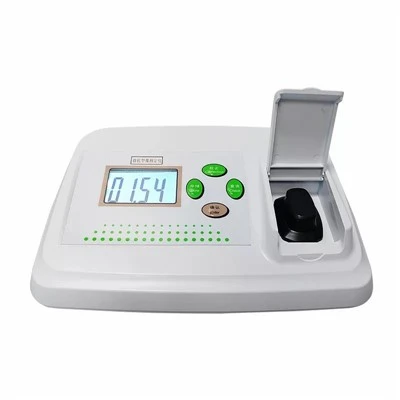
As a provider of ozone analyzers, I have witnessed firsthand the crucial role these devices play in industrial emissions monitoring. Ozone, a highly reactive gas, is both a natural and man – made component of the atmosphere. In industrial settings, accurately measuring ozone emissions is not only a matter of environmental compliance but also safeguarding public health. Here, I will detail the specific requirements for using an ozone analyzer in industrial emissions monitoring. Ozone Analyzer
Technical Performance Requirements
Accuracy
The accuracy of an ozone analyzer is of utmost importance. Industrial emissions can vary greatly in their ozone concentrations, and even small errors in measurement can lead to inaccurate reporting and potential legal issues. High – precision ozone analyzers are required to detect ozone concentrations accurately, usually within a tolerance of ±1% to ±5% of the measured value. This level of accuracy ensures that industrial enterprises can precisely quantify their ozone emissions and take appropriate measures to control them.
For example, in the chemical manufacturing industry, where the by – products of chemical reactions may include ozone, an analyzer with high accuracy can help identify the exact source and amount of ozone emissions. This information is vital for optimizing production processes and reducing environmental impact.
Precision
Precision is related to the repeatability of measurement results. An ozone analyzer should provide consistent readings when measuring the same sample under the same conditions. A precision of ±0.5% to ±2% is generally required for reliable industrial emissions monitoring. This consistent performance helps in long – term trend analysis of ozone emissions, which is essential for evaluating the effectiveness of pollution control measures over time.
For instance, if an industrial facility is implementing a new ozone – reduction technology, a precise analyzer will be able to accurately measure the changes in ozone emissions, allowing the company to determine whether the new technology is working as expected.
Detection Limit
The detection limit of an ozone analyzer refers to the lowest concentration of ozone that it can reliably detect. In industrial emissions monitoring, a low detection limit is necessary because ozone emissions can sometimes be present at very low levels. A detection limit of 0.1 ppb (parts per billion) or lower is often required to ensure that even trace amounts of ozone can be detected.
In industries such as semiconductor manufacturing, where strict environmental requirements are in place, an analyzer with a low detection limit can help detect any potential ozone leakage, which could have a significant impact on air quality and product quality.
Response Time
The response time of an ozone analyzer is the time it takes to provide a stable measurement after being exposed to a change in ozone concentration. In industrial emissions monitoring, a fast response time is crucial, as it enables real – time monitoring of rapid changes in emissions. Analyzers with a response time of less than 1 minute are generally preferred, especially in industries with dynamic production processes where ozone emissions can fluctuate quickly.
For example, in the smelting industry, the combustion processes can cause sudden changes in ozone emissions. A fast – responding analyzer can quickly detect these changes, allowing operators to take immediate action to control the emissions.
Environmental Adaptability Requirements
Temperature and Humidity Resistance
Industrial environments can have a wide range of temperatures and humidity levels. Ozone analyzers must be able to operate accurately under these varying conditions. They should be designed to withstand temperatures from – 20°C to 50°C and relative humidity from 0% to 95% (non – condensing).
In a textile factory, where high – humidity conditions are common due to the use of water in the production process, a humidity – resistant ozone analyzer can ensure accurate measurement of ozone emissions without being affected by the moisture in the air.
Dust and Corrosive Gas Resistance
Industrial emissions often contain dust particles and corrosive gases, which can damage the sensitive components of an ozone analyzer. These analyzers need to be equipped with appropriate filtration systems to protect against dust and be made of corrosion – resistant materials. For example, stainless steel housings and chemical – resistant sensors can help extend the lifespan of the analyzer in a harsh industrial environment.
In a mining or cement production facility, where large amounts of dust are generated, a dust – resistant ozone analyzer can maintain its performance and durability over time.
Sampling and Installation Requirements
Sampling System Design
A proper sampling system is essential for accurate ozone measurement. The sampling probe should be placed at a representative location where it can capture the ozone emissions accurately. It should be able to collect a sufficient amount of the sample gas without causing any significant changes in the ozone concentration.
The sampling line should be made of materials that do not react with ozone, such as Teflon. The length of the sampling line should be minimized to reduce the time delay for the sample to reach the analyzer and to prevent ozone decomposition within the line.
Installation Conditions
The ozone analyzer should be installed in a stable location, away from sources of vibration and electromagnetic interference. It should also be easily accessible for maintenance and calibration. In addition, proper ventilation should be provided around the analyzer to ensure that the ambient air does not interfere with the measurement.
For example, in a large – scale industrial plant, the analyzer may be installed in a dedicated control room or a sampling cabinet, which provides a stable environment for accurate measurement.
Operational and Maintenance Requirements
User – Friendliness
The ozone analyzer should be easy to operate, even for non – technical personnel. It should have a clear and intuitive user interface, allowing operators to start the measurement, view the results, and perform basic functions with ease.
For instance, a touch – screen interface with graphical displays and simple menu navigation can make it convenient for operators to interact with the analyzer, reducing the likelihood of errors during operation.
Calibration
Regular calibration is essential to maintain the accuracy of the ozone analyzer. It should be calibrated at least once a year, or more frequently depending on the specific requirements of the industrial application. Calibration should be performed using a certified ozone standard gas to ensure traceability and accuracy.
In addition, the analyzer should have a built – in calibration function or support external calibration equipment, making the calibration process as efficient as possible.
Maintenance
Routine maintenance of the ozone analyzer is necessary to ensure its long – term reliability. This includes cleaning the sampling probe and filtration system, checking the sensor performance, and replacing any worn – out components.
The analyzer should be designed in a modular way, allowing easy access to its internal components for maintenance. Clear maintenance instructions and training materials should also be provided to the end – users.
Regulatory and Compliance Requirements
Compliance with International and National Standards
The ozone analyzer must comply with relevant international and national standards, such as ISO (International Organization for Standardization) standards and regional environmental protection agency regulations. These standards define the performance requirements, calibration methods, and safety requirements for ozone analyzers.
For example, in the United States, ozone analyzers used for industrial emissions monitoring must comply with the regulations set by the Environmental Protection Agency (EPA). Compliance ensures that the measurement results are accepted for regulatory reporting purposes.
Data Reporting and Recording
Industrial facilities are usually required to report their ozone emissions data regularly. The ozone analyzer should be able to record and store measurement data, which can be easily transferred to a data management system for further analysis and reporting.
The data should include information such as the date, time, ozone concentration, and measurement location. The analyzer should support standard data communication protocols, such as Modbus or Ethernet, to facilitate data transfer.
Water Bath In conclusion, the use of an ozone analyzer in industrial emissions monitoring requires careful consideration of multiple aspects, including technical performance, environmental adaptability, sampling and installation, operation and maintenance, as well as regulatory compliance. As an ozone analyzer supplier, we are committed to providing high – quality products that meet all these requirements. If your industrial facility needs accurate and reliable ozone emissions monitoring, please feel free to contact us for further discussion on procurement. We can offer you customized solutions based on your specific needs and industry requirements.
References
- ISO standards related to air quality monitoring.
- Regulations of regional environmental protection agencies.
- Technical literature from leading ozone analyzer manufacturers.
Hangzhou Qiwei Instrument Co., Ltd.
Hangzhou Qiwei Instrument Co., Ltd. is one of the most reliable manufacturers and suppliers of ozone analyzer in China, featured by quality products and good service. Please rest assured to buy bulk durable ozone analyzer in stock here from our factory. We also accept customized orders.
Address: Room 101, Building 25, No. 488-1, Donghu North Road, Linping District, Hangzhou City, Zhejiang Province, China
E-mail: info@qiweilab.com
WebSite: https://www.qiweilab.com/
