When it comes to construction materials, one of the key concerns for both contractors and homeowners is the resistance of these materials to pests. As a supplier of backer board, I’ve been frequently asked whether backer board is resistant to pests. In this blog, I’ll delve into this topic in detail, providing you with scientific insights and practical knowledge. Backer Board

Understanding Backer Board
Before we discuss pest resistance, let’s first understand what backer board is. Backer board is a type of building material commonly used in areas where tile or other finishes are applied. It serves as a stable substrate for tiles, providing support and preventing moisture from seeping into the underlying structure. There are several types of backer boards available on the market, including cement backer board, fiber – reinforced backer board, and foam backer board.
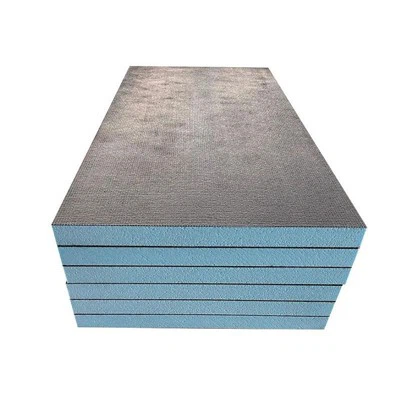
Cement backer board is made from a combination of cement and fiberglass mesh. It is highly durable and resistant to moisture, making it a popular choice for wet areas such as bathrooms and kitchens. Fiber – reinforced backer board contains fibrous materials like cellulose or synthetic fibers, which enhance its strength and flexibility. Foam backer board, on the other hand, is lightweight and offers good thermal insulation properties.
Types of Pests and Potential Threats
Pests in a construction context can be broadly classified into insects, rodents, and fungi. Each type of pest poses different threats to building materials.
Insects such as termites, carpenter ants, and powderpost beetles are well – known wood – destroying pests. They can bore into wood and other cellulose – based materials, causing structural damage over time. Rodents like mice and rats can chew through various materials, including wires, pipes, and even some building boards. Their gnawing can lead to plumbing leaks, electrical hazards, and weakened structures. Fungi, including mold and mildew, thrive in damp environments. They can break down organic and some inorganic materials, staining surfaces and potentially causing health problems for the occupants.
Pest Resistance of Different Types of Backer Board
Cement Backer Board
Cement backer board has excellent resistance to most pests. Since it is made of cement, which is an inorganic material, it is not a food source for insects like termites and powderpost beetles. These pests rely on cellulose for sustenance, and cement backer board does not contain cellulose.
In terms of rodents, they are less likely to target cement backer board as it is hard and difficult to chew through. The dense structure of cement provides a physical barrier that rodents find challenging to penetrate. Fungi also have a hard time growing on cement backer board. Cement is non – porous and does not absorb moisture easily, creating an environment that is unfavorable for fungal growth. However, if there is a constant supply of water on the surface of the cement backer board due to a leak or poor ventilation, fungi may still form on the surface, but the damage will be limited to the surface layer.
Fiber – Reinforced Backer Board
The pest resistance of fiber – reinforced backer board depends on the type of fibers used. If the backer board contains cellulose fibers, it may be susceptible to attack by insects. Termites and other wood – destroying insects can target the cellulose component, causing damage to the board over time.
Regarding fungal growth, fiber – reinforced backer boards that can absorb moisture are at risk. Fibrous materials can retain water, creating a damp environment where fungi can thrive. Rodents may also chew through fiber – reinforced backer boards more easily than cement backer boards, especially if the board has a relatively soft texture.
Foam Backer Board
Foam backer board generally has limited resistance to pests. Some types of insects can chew through foam. For example, rodents may find foam easy to gnaw on, using it for nesting materials or to create passageways. Foam can also trap moisture, creating a suitable environment for fungal growth. Mold and mildew can form on the surface of the foam, which not only affects the aesthetic appearance but can also lead to degradation of the material over time.
Factors Affecting Pest Resistance
Apart from the type of backer board, several other factors can affect its pest resistance.
Environmental Conditions: The climate and location of the building play a significant role. In humid areas, the risk of fungal growth on backer boards is higher, regardless of the type of backer board. Structures in areas with a high termite population are more likely to face termite attacks.
Installation Quality: Proper installation of backer board is crucial. If there are gaps, cracks, or improper sealing during installation, pests can easily access the interior of the building or the back of the backer board. For example, water can seep through these openings, leading to fungal growth or attracting insects.
Maintenance: Regular maintenance can enhance the pest resistance of backer boards. This includes checking for signs of water damage, pest activity, and ensuring proper ventilation in areas where backer boards are installed. Addressing any issues promptly can prevent pest infestations from becoming severe.
Testing and Certification
To ensure the pest resistance of backer boards, many manufacturers conduct tests. These tests evaluate the board’s resistance to termites, fungi, and other pests under controlled laboratory conditions. Some products may also carry certifications from relevant organizations, indicating that they meet certain standards for pest resistance. When purchasing backer boards, it is advisable to look for products with these certifications to ensure higher quality and better pest – resistant properties.
The Benefits of Using Pest – Resistant Backer Board
Using pest – resistant backer boards offers several advantages. Firstly, it can reduce the long – term maintenance costs. By preventing pest damage, you avoid the need for costly repairs and replacements. Secondly, it enhances the durability and longevity of the building. When backer boards are not affected by pests, they can provide stable support for tiles and other finishes over a longer period. Thirdly, it contributes to a healthier indoor environment. Fungi can release spores that can cause respiratory problems and allergies. By using backer boards resistant to fungal growth, you can create a healthier living or working space.
Conclusion
In conclusion, the pest resistance of backer board varies depending on the type of board. Cement backer board generally offers the best pest resistance, while fiber – reinforced and foam backer boards may be more susceptible to certain pests. Environmental conditions, installation quality, and maintenance also play important roles in determining the overall pest resistance of the backer board.
Waterproof Backer Board If you are in the process of a construction or renovation project and are considering using backer boards, I highly recommend choosing a pest – resistant option. As a backer board supplier, I am committed to providing high – quality products that meet your pest – resistance requirements. Whether you need a large quantity for a commercial project or a small amount for a home improvement, I can offer you suitable solutions. If you have any questions or are interested in purchasing our backer boards, please feel free to contact us to start a procurement discussion.
References
- ASTM International. (Year). Standard Test Methods for Evaluating the Resistance of Wood and Wood – Base Materials to Termites.
- Building Science Corporation. (Year). Research on moisture and pest interactions in building materials.
- National Pest Management Association. (Year). Guidelines for pest – proofing buildings.
Address: Zhongze Village, Baohai Town, Tiantai County, Taizhou City, Zhejiang Province
E-mail: 906915688@qq.com
WebSite: https://www.yhhold.com/
