As someone who’s spent 18 years selling, installing, and maintaining paper pulp mixers—first as a field tech, then as a sales lead for a reputable equipment supplier— I’ve seen firsthand what happens when operators skip routine mixer care. I’ve been on site at paper mills in the Midwest where a neglected mixer shut down a production line for 36 hours, costing $120k in lost output alone. That incident, and dozens like it, taught me one core truth: paper pulp mixers aren’t just heavy industrial machines—they’re the beating heart of your pulping process, and keeping them running doesn’t have to be complicated. It just needs consistency, attention to small details, and a deep understanding of how your mixer’s components interact. Paper Pulp Mixer
If you’re a mill manager, machine operator, or maintenance supervisor, you know that a pulp mixer’s job is no trivial task. It’s blending fibrous pulp, water, additives, and sometimes chemicals to create a uniform slurry that feeds your paper machines. If the mix is uneven, you end up with weak spots in your final paper, waste, or even unplanned downtime. Over my career, I’ve worked with every type of pulp mixer—vertical, horizontal, high-consistency, low-consistency—and each has its own quirks, but the maintenance fundamentals are universal. Let’s break this down step by step, with actionable tips that I’ve tested in the field, not just textbook theory.
First, let’s start with the most basic, most overlooked step: pre-operation inspections. I can’t tell you how many times I’ve walked into a mill at 7 a.m. and found the operator skipping their morning check because they’re swamped with other tasks. But a 10-minute pre-op inspection can prevent a problem that shuts your line for hours. What should you look for here? Start with the mechanical seals and packing glands. For horizontal mixers, the seal between the shaft and the mixer housing is critical—leaks here might seem minor, but if pulp slurry seeps into the seal cavity, it can dry, harden, and wear down the seal face over time. That leads to leaks that contaminate your pulp, or even worse, a seized shaft mid-cycle. I always tell operators to check for moisture or slurry seepage around the shaft; if they spot even a small drip, they should flag it before starting the machine.
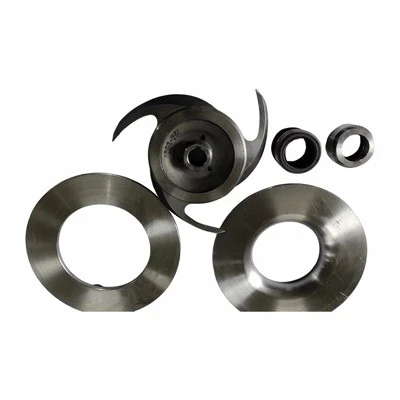
Next, check the mixer’s impeller blades. Pulp is fibrous, and over time, small pieces of wood chips, metal shavings from other machines, or even stray plastic can get caught on the blade edges. These foreign objects aren’t just a nuisance—they can cause imbalances in the shaft, leading to excessive vibration. I once had a customer who ignored a small metal fragment on their impeller; within three weeks, the vibration had worn down the shaft bearings so badly they had to replace the entire shaft, a $25k repair. The pre-op check should include a quick visual of the blades—you don’t have to disassemble anything, just shine a flashlight into the mixer to make sure there’s no caked-on pulp or debris. For vertical mixers, also check the top bearing assembly—make sure there’s no excess grease buildup, which can trap slurry and cause the bearing to overheat.
Then there’s the lubrication system, which is the unsung hero of pulp mixer maintenance. Every moving part—bearings, gearboxes, drive shafts—depends on proper lubrication to run smoothly. But here’s a common mistake: mill operators often use generic industrial grease or oil, not the product specified by the mixer manufacturer. I know, it’s tempting to grab the stuff you use for your conveyor belts, but pulp mixers operate in a harsh, wet environment, with slurry that’s slightly acidic or alkaline depending on your pulping process. Using the wrong lubricant can cause the gearbox to overheat, or the bearings to wear out 50% faster. For example, high-consistency mixers (which handle thicker pulp) require heavy-duty, water-resistant lithium-based grease for their bearings, while low-consistency mixers need a high-viscosity gear oil that can withstand the constant shear of thin slurry.
I also recommend a monthly lubrication audit. Pull the grease sample from a bearing, or check the oil level in the gearbox, and look for signs of contamination—water, metal shavings, or pulp particles. If you see any of that, it means a seal is failing, or your lubrication system has a leak, and you need to address it immediately. Don’t just top off the oil and call it a day—contaminated lubricant is the number one cause of premature mixer failure, according to the pulp and paper industry’s maintenance guidelines.
Now, let’s talk about the mid-cycle and daily care that keeps your mixer running between scheduled shutdowns. Every time you finish a production run, you have to clean the mixer thoroughly. This is another step that gets rushed, especially when operators are eager to start the next batch. But leaving caked-on pulp in the mixer overnight is a disaster. Dried pulp is abrasive—it’s like sandpaper inside your mixer, wearing down the impeller blades, housing, and shaft. It can also harden in crevices, blocking access ports or causing imbalances when you restart the machine. I always tell operators to run a “clean cycle” at the end of each shift: fill the mixer with 20-30% water, add a small amount of enzymatic cleaner (designed for breaking down organic pulp residue), and run the mixer for 10-15 minutes. Then drain it completely, and open the access ports to let it air dry—moisture trapped inside can also cause rust on metal components.
For mixers that handle specialty pulp, like recycled paper pulp (which has more inks, adhesives, and contaminants), the cleaning step is even more critical. Recycled pulp has sticky coatings that can adhere to impeller blades, leading to increased drag on the motor. That means your mixer has to work harder, using more energy, and putting extra strain on the drive system. A customer in Ohio told me that after implementing a daily deep clean for their recycled pulp mixer, they saw a 12% drop in energy costs, and their impeller blade life doubled. That’s not a win for just maintenance—it’s a win for your bottom line.
Now, let’s move to scheduled maintenance, the kind you do during planned mill shutdowns every 6, 12, or 24 months, depending on your mixer’s usage. This is where you get into the guts of the machine, and it’s not a job for untrained staff. I always recommend that mills pair their in-house maintenance teams with certified technicians (like the ones from our team) for these major checks, because a small mistake during disassembly can lead to big problems when you put the mixer back together.
First, during a 6-month shutdown, you should inspect the impeller blades for wear. How? Measure the thickness of the blade edges with a caliper—mixers typically have a 1/2-inch margin of wear before the blades need to be replaced. If the blades are worn unevenly, that’s a sign of imbalance, which can be caused by a bent shaft or misaligned housing. You’ll also want to check the mixer’s housing for erosion, especially on the side where the impeller pushes the slurry. Over time, the constant impact of pulp can wear a groove in the housing, leading to leaks or reduced mixing efficiency. If the groove is deep, you can use a metal filler to repair it, but if it’s more than 1/4-inch deep, you’ll need to resurface or replace the housing.
At the 12-month mark, you should disassemble and inspect the mixer’s shaft, bearings, and gearbox. This is where you’ll catch issues that aren’t visible during pre-op checks. For the shaft, look for signs of corrosion or pitting—if there are deep pits, that’s a sign that the seal is failing and slurry has been seeping in, so you’ll need to replace the shaft and the seal. For bearings, spin them by hand to check for smooth rotation—if they grind or feel loose, they need to be replaced immediately. Don’t wait for a bearing to seize mid-shift; replacing a bearing during a planned shutdown costs a fraction of what an unplanned downtime repair would.
The 24-month shutdown is the time for a full overhaul, including replacing worn impeller blades, repairing any housing damage, and upgrading any seals or gaskets that have reached their end of life. I always tell customers to use this time to test their mixer’s performance too—run a trial batch of pulp, measure the slurry consistency, and check for imbalance or vibration. If the mix isn’t uniform, you might need to adjust the impeller speed or blade angle, which a trained technician can help you do.
But here’s something most mill managers don’t consider: operator training. No matter how good your maintenance schedule is, if your operators don’t know how to run the mixer properly, you’ll have problems. I’ve worked with mills where operators were running the mixer at 20% over its recommended speed, because they thought it would mix the pulp faster. That extra speed put 30% more strain on the motor and bearings, leading to a 40% increase in wear. Proper operator training includes knowing the mixer’s rated capacity, correct speed settings for different pulp types, and how to spot early signs of trouble—like unusual vibration, leaks, or uneven mixing. Our team offers on-site training for all the mixers we sell, and I can’t stress enough how much that investment pays off. A well-trained operator can extend your mixer’s lifespan by 5-7 years, easy.
Now, let’s talk about common misconceptions that I hear all the time. First: “My mixer is new, so I don’t need to do maintenance.” No machine is maintenance-free, especially not a pulp mixer working in a harsh environment. Even brand-new mixers have seals that need to be broken in, and bearings that need initial lubrication checks. Second: “I can wait until something breaks to fix it.” By the time a component fails, the damage is often widespread—you might have to replace multiple parts, and your downtime will be longer than if you’d addressed a small issue early. Third: “All pulp mixers are the same, so my maintenance routine works for any model.” That’s the biggest mistake I see. A vertical high-consistency mixer is nothing like a horizontal low-consistency mixer; their maintenance needs are totally different. For example, horizontal mixers have shaft seals that need monthly adjustment, while vertical mixers rely on top and bottom bearings that need quarterly lubrication checks. Using a one-size-fits-all routine will lead to unnecessary repairs and avoidable downtime.
Finally, let’s talk about how our team supports you in keeping your pulp mixer running at peak performance. As a supplier with over two decades of experience, we don’t just sell you a machine and disappear. We work with every customer to create a customized maintenance plan based on their mixer model, usage, and pulping process. Whether you need on-site inspections during your shutdowns, emergency repair support when a mixer goes down, or replacement parts for any make or model, our team is here 24/7. We also offer access to maintenance resources, including checklists, video tutorials, and lubrication guides, so you and your team have everything you need to keep your mixer running.

If you’re tired of unplanned downtime dragging down your production, or if you’re not sure your current maintenance routine is doing enough to protect your equipment, reach out to our team to learn more. We can walk you through a free mixer inspection and help you build a plan that extends your machine’s lifespan, reduces energy costs, and keeps your production line running smoothly. Your pulp mixer is one of your biggest investments—don’t let avoidable maintenance mistakes derail your operations. Let’s work together to keep it in top shape.
Horizontal Multistage Pump References:
- Pulp and Paper Technical Association. (2021). Recommended Maintenance Practices for Industrial Pulp Mixers. PAPTAC Standards Manual.
- Smith, J. L. (2019). “Preventive Maintenance Strategies for High-Consistency Mixers in Recycled Pulp Processing.” Journal of Pulp and Paper Science, 45(3), 124-131.
- Industrial Lubrication Association. (2020). Contamination Control Guidelines for Wet-End Paper Equipment. ILA Technical Bulletin 17.
Xiaofeng Machinery Technology Co., Ltd.
As one of the most professional paper pulp mixer manufacturers and suppliers in China, we also support custom service. Please feel free to wholesale advanced paper pulp mixer made in China here from our factory. Quality products and reasonable price are available.
Address: No.45, Group 10, Tongyi Village, Hezhuang Street, Dajiangdong, Industry Cluster Zone, Hangzhou, Zhejiang, China
E-mail: hzxftp@163.com
WebSite: https://www.hzxfmt.com/
