Group uniforms carry a profound cultural significance that goes far beyond mere clothing. As a supplier of group uniforms, I’ve witnessed firsthand how these garments play a pivotal role in various aspects of society. In this blog, we’ll explore the multi – faceted cultural implications of group uniforms. Group Uniforms

Identity and Belonging
One of the most significant cultural aspects of group uniforms is the sense of identity they create. When individuals don a specific uniform, they are immediately associated with a particular group. This could be a sports team, a school, a military unit, or a corporate organization. For example, in the world of sports, team uniforms are more than just jerseys. They are emblems of pride and unity. Fans can look at a player on the field and instantly recognize which team they belong to. This collective identity fosters a sense of belonging among team members. They are no longer just individuals; they are part of something bigger.
In schools, uniforms serve a similar purpose. Students wearing the same uniform identify as part of that educational institution. It breaks down barriers of social class and personal style, emphasizing the shared goal of learning. Everyone is on an equal footing, and the focus shifts from what one is wearing to what one is achieving.
In the corporate world, uniforms can create a strong brand identity. Employees wearing company – branded uniforms are walking advertisements for the business. They project a professional and unified image to customers. This not only helps in building a strong corporate culture but also makes the brand more memorable in the minds of consumers. Workers also feel a sense of pride in representing their company, which can increase job satisfaction and loyalty.
Tradition and Heritage
Group uniforms are often deeply rooted in tradition and heritage. Military uniforms, for instance, have evolved over centuries, each design with its own historical significance. The colors, insignias, and styles of military attire can tell the story of a nation’s military history, its values, and its strategic priorities. Old – fashioned military uniforms may be preserved in museums or worn during ceremonial events to honor the sacrifices and achievements of past generations.
In some cultures, traditional uniforms are worn during festivals and religious ceremonies. These uniforms are often handmade using time – honored techniques and reflect the cultural heritage of the community. For example, the kimono in Japan is not just a piece of clothing; it’s a symbol of Japanese culture, with different styles and colors worn for various occasions. Group members wearing these traditional uniforms during festivals uphold the cultural traditions and pass them down to younger generations.
Even in modern industries, there are traditions associated with uniforms. For example, the white coats worn by medical professionals have a long – standing tradition. They symbolize cleanliness, professionalism, and the Hippocratic Oath. Over time, this uniform has become an integral part of the medical culture, and it instills trust in patients.
Social Cohesion and Discipline
Group uniforms promote social cohesion by reducing the focus on individual appearance and encouraging cooperation. In a military environment, strict adherence to a uniform code is a way of maintaining discipline. Soldiers learn to follow rules from the moment they put on their uniforms. This discipline extends beyond the appearance; it translates into military operations, where coordinated action is crucial for success.
Similarly, in schools with uniform policies, students are less likely to be distracted by fashion trends or peer pressure related to clothing. This creates a more focused learning environment. Uniforms also reduce the likelihood of bullying based on clothing choices, as everyone is dressed alike.
In workplaces, uniforms can enhance teamwork. When employees are dressed in the same uniform, they are more likely to view each other as colleagues working towards a common goal. This can lead to better communication and cooperation, ultimately improving productivity.
Safety and Security
In certain industries, group uniforms are essential for safety and security. Construction workers, firefighters, and police officers all wear specialized uniforms. These uniforms are designed to protect them from various hazards. For example, construction uniforms are often made of durable materials that can withstand rough handling and provide some protection against physical injuries. Firefighters’ uniforms are heat – resistant and equipped with reflective strips for visibility. Police uniforms are easily recognizable, which helps in maintaining law and order. The public can easily identify law – enforcement officers, and it also serves as a deterrent to criminal activity.
Marketing and Promotion
As a group uniform supplier, I understand the marketing potential of uniforms. Companies can use uniforms as a powerful marketing tool. Custom – designed uniforms with the company logo and brand colors can increase brand awareness. When employees wear these uniforms in public, they act as mobile billboards. For example, a delivery service with its drivers wearing eye – catching uniforms is more likely to be noticed by potential customers. This can lead to increased business opportunities and a stronger brand presence in the market.
Conclusion
The cultural significance of group uniforms is vast and complex. They play a crucial role in shaping identity, preserving tradition, promoting social cohesion, ensuring safety, and facilitating marketing. As a group uniform supplier, I take pride in providing high – quality uniforms that meet the diverse needs of different groups. Whether it’s a school looking to instill a sense of unity among students or a business aiming to boost its brand image, we have the expertise and resources to deliver the right uniforms.
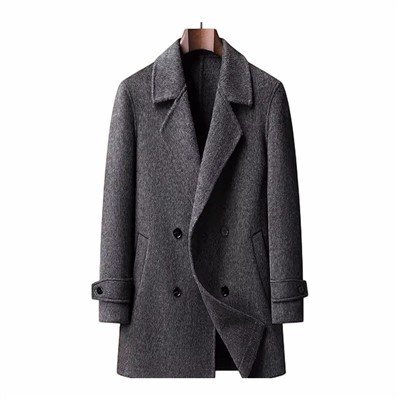
If you’re interested in exploring our range of group uniforms and discussing how we can meet your specific needs, I invite you to reach out to start a procurement discussion. We’re eager to work with you to create uniforms that not only serve their practical purposes but also carry the cultural significance that your group values.
References
Student Uniforms Ardener, E. (1981). Dress and Gender: Making and Meaning in Cultural Apparel. Manchester University Press.
Crane, D. (2000). Fashion and Its Social Agendas: Class, Gender, and Identity in Clothing. University of Chicago Press.
Kawamura, Y. (2005). Fashion – ology: An Introduction to Fashion Studies. Berg.
Anhui Lida Garment Co., Ltd
We are one of the most experienced group uniforms manufacturers and suppliers in China, specialized in providing high quality customized service to global clients. Please feel free to wholesale bulk high-end group uniforms from our factory. Also, free sample is available.
Address: Intersection of Gulou North Street and Wei-3 Road, Chengguan Town, Shucheng County, Lu’an City, Anhui Province
E-mail: leaderclothing2026@163.com
WebSite: https://www.leader-clothing.com/
