When dealing with barite, a naturally occurring mineral widely used in various industries, especially in the oil and gas sector as a weighting agent in drilling muds, it is crucial to adhere to strict safety precautions. As a barite supplier, I understand the importance of ensuring that all those handling this mineral are well – informed about safety measures. This blog aims to provide a comprehensive overview of the safety precautions when handling barite. Barite

Personal Protective Equipment (PPE)
One of the first lines of defense when handling barite is the proper use of personal protective equipment. Workers should wear appropriate clothing to minimize skin exposure. Long – sleeved shirts, long pants, and closed – toe shoes are essential. This helps prevent the barite dust from coming into contact with the skin, which could potentially cause irritation.
Respiratory protection is of utmost importance. Barite dust, when inhaled, can pose risks to the respiratory system. Workers should use N95 or higher – rated respirators. These respirators are designed to filter out fine particles, including barite dust. It is important to ensure that the respirator fits properly, as an ill – fitting respirator may not provide adequate protection. Regular fit – testing should be conducted to guarantee the effectiveness of the respiratory protection.
Eye protection is also necessary. Safety goggles or face shields should be worn to prevent barite dust from entering the eyes. Eye irritation or even more serious injuries can occur if barite particles get into the eyes. The goggles should be impact – resistant and provide a good seal around the eyes.
Gloves are another vital part of PPE. Chemical – resistant gloves should be used to protect the hands from direct contact with barite. Different types of gloves may be suitable depending on the specific handling tasks. For example, if there is a risk of contact with wet barite or barite solutions, gloves with good chemical resistance to the associated substances are required.
Handling and Storage
When handling barite, it is important to use proper lifting techniques. Barite is often stored and transported in bags or containers, which can be heavy. Workers should bend their knees and use their leg muscles to lift, rather than straining their backs. This helps prevent back injuries, which are common in manual handling tasks.
During the loading and unloading of barite, the equipment used should be in good working condition. Forklifts, conveyors, and other handling equipment should be regularly inspected and maintained. Any damaged or malfunctioning equipment should be repaired or replaced immediately to avoid accidents.
Barite should be stored in a dry and well – ventilated area. Moisture can cause the barite to clump, which may affect its quality and make it more difficult to handle. The storage area should also be protected from extreme temperatures and direct sunlight. Additionally, the storage area should be clearly marked, and access should be restricted to authorized personnel only.
Dust Control
Dust generation is a significant concern when handling barite. To minimize dust, wetting agents can be used. Spraying water or a suitable wetting agent on the barite during handling operations can help to suppress dust. This is particularly important during processes such as bag opening, transfer, and mixing.
Local exhaust ventilation (LEV) systems can also be installed in work areas. These systems are designed to capture and remove dust at the source. By effectively removing dust from the air, LEV systems help to maintain a clean and safe working environment. They should be regularly inspected and maintained to ensure their proper functioning.
Chemical Compatibility
Although barite is generally considered a relatively inert substance, it is important to be aware of its potential interactions with other chemicals. When barite is used in combination with other substances, for example, in the formulation of drilling fluids, proper testing should be conducted to ensure chemical compatibility. Incompatible chemicals can lead to the formation of unwanted by – products, which may affect the quality of the final product and pose safety risks.
Training and Education
All workers involved in the handling of barite should receive comprehensive safety training. This training should cover the properties of barite, the hazards associated with its handling, and the proper use of PPE and handling equipment. Workers should also be trained on emergency procedures, such as what to do in case of a spill or an inhalation incident.
Regular refresher courses should be provided to keep workers’ knowledge up – to – date. Safety knowledge and awareness can fade over time, and refresher courses help to reinforce important safety messages.
Emergency Response
In the event of a spill, it is important to have a well – defined spill response plan. Workers should be trained on how to contain and clean up spills quickly and safely. Absorbent materials should be readily available to soak up any spilled barite. The spilled barite should be collected and disposed of in accordance with local regulations.
If a worker is exposed to barite dust, appropriate first – aid measures should be taken immediately. For example, if barite dust gets into the eyes, the eyes should be flushed with clean water for at least 15 minutes. In case of inhalation, the worker should be moved to a well – ventilated area, and medical attention should be sought if symptoms such as coughing, shortness of breath, or chest pain occur.
Environmental Considerations
When handling barite, it is also important to consider its impact on the environment. Barite should not be released into waterways or soil without proper treatment. Spills should be cleaned up promptly to prevent the contamination of the environment. Additionally, any waste generated during the handling and processing of barite should be disposed of in an environmentally friendly manner.
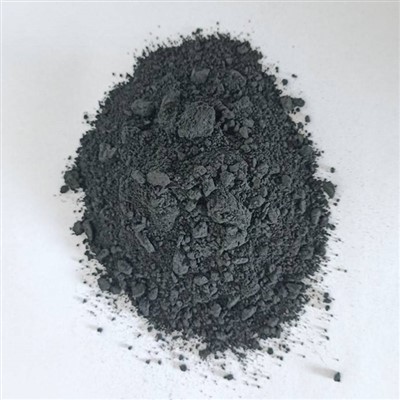
As a barite supplier, we are committed to providing high – quality barite products while ensuring the safety of everyone involved in the handling process. By following these safety precautions, we can minimize risks and create a safer working environment.
Cat Litter If you are interested in purchasing barite for your industrial needs, we would be more than happy to discuss your requirements. Contact us to start a procurement discussion and explore how our barite products can meet your specific needs.
References
- Occupational Safety and Health Administration (OSHA). General Industry Standards.
- American Petroleum Institute (API). Standards for Drilling Fluids and Additives.
Lingshou County LM Mineral Products Co., Ltd.
As one of the most professional barite manufacturers and suppliers in China, we’re featured by quality products and good service. Please rest assured to buy customized barite made in China here from our factory. Contact us for more details.
Address: Dongzhuang Village, Nanyanchuan Township, Lingshou County, Shijiazhuang City, Hebei Province
E-mail: lmwtwz@163.com
WebSite: https://www.lmwtz.com/
