Yo, folks! I’m a supplier of the PVC Series, and I often get asked this question: "Can PVC Series be used in wet environments?" Well, let’s dive right into it and break it down. PVC Series

First off, let me tell you a bit about what PVC is. PVC stands for polyvinyl chloride. It’s a widely – used plastic material, and our PVC Series includes various products like pipes, sheets, and fittings. Now, when it comes to using these products in wet environments, there are several factors to consider.
One of the biggest advantages of PVC in wet conditions is its resistance to water. PVC is inherently waterproof, which means it doesn’t absorb water like some other materials. When a material absorbs water, it can weaken over time, lose its structural integrity, and even become a breeding ground for mold and mildew. But our PVC products? They’re tough. Whether it’s a light drizzle or being fully submerged, PVC won’t start to soak up the water and fall apart.
Let’s talk practical applications. In plumbing, for example, PVC pipes are a go – to choice. They can carry both freshwater and wastewater without any issues. Their non – porous surface prevents water from seeping into the material, so you don’t have to worry about leaks due to water – induced deterioration. Plus, the smooth interior of PVC pipes allows water to flow freely, reducing the chances of clogs and blockages.
In outdoor settings, like in the construction of garden fences or decking, our PVC Series can withstand the elements. Rain, snow, and humidity won’t do a number on them. Unlike wood, which can warp, rot, or get termite damage in wet conditions, PVC remains stable. It keeps its shape and color, and you won’t have to spend a fortune on maintenance. You can just hose it down from time to time, and it’ll look as good as new.
But hey, it’s not all sunshine and rainbows. There are some limitations. Extreme temperatures can affect the performance of PVC in wet environments. If it gets too cold, PVC can become brittle. So, in wet and freezing conditions, there’s a risk of the material cracking. On the other hand, in extremely hot and wet environments, PVC may expand slightly. This expansion can cause problems if the installation doesn’t account for it. For instance, if PVC pipes are installed in a tight space without any room for expansion, they might buckle or burst.
Another thing to keep in mind is chemical exposure. While PVC is resistant to many common chemicals, some harsh chemicals in wet environments can react with it. For example, if there are high levels of chlorine in the water, it could potentially cause the PVC to degrade over time. So, it’s important to know the chemical composition of the wet environment where you’re planning to use our PVC products.
Now, let’s get into the science behind PVC’s water resistance. The molecular structure of PVC is what gives it its waterproof properties. The long – chain polymers in PVC are tightly packed together. This dense structure acts as a barrier, preventing water molecules from passing through. It’s like a well – built wall that keeps the water out.
When we manufacture our PVC Series, we also add certain additives to enhance its performance in wet environments. These additives can improve the material’s flexibility, impact resistance, and chemical stability. For example, some additives can make the PVC more resistant to UV rays, which is important if the product is going to be exposed to sunlight in a wet outdoor setting.
In terms of installation in wet environments, it’s crucial to follow the right procedures. For PVC pipes, proper jointing is essential. We recommend using high – quality PVC cement to ensure a watertight seal. If the joints aren’t sealed correctly, water can leak out, and that’s a big no – no. When installing PVC sheets or panels, make sure they’re properly supported and fastened. This will prevent them from warping or shifting due to the weight of the water.
I’ve got some real – world examples to share. A local farmer came to us looking for a solution to line his irrigation ditch. He was tired of the old concrete lining that was cracking and leaking. We recommended our PVC sheets. After installation, they’ve been working great. They’re resistant to the constant flow of water and the various chemicals in the soil and water. The farmer has saved a lot of money on water and maintenance since then.
Another case was a homeowner who wanted to build a shed in his backyard. He was worried about the shed getting damaged by rain and moisture. We supplied him with our PVC decking and panels. The shed has been standing strong for years, with no signs of water damage or mold growth.
If you’re still on the fence about using our PVC Series in wet environments, feel free to reach out. We’ve got a team of experts who can answer all your questions. Whether you’re a contractor working on a big project or a DIY enthusiast building something at home, we’re here to help.
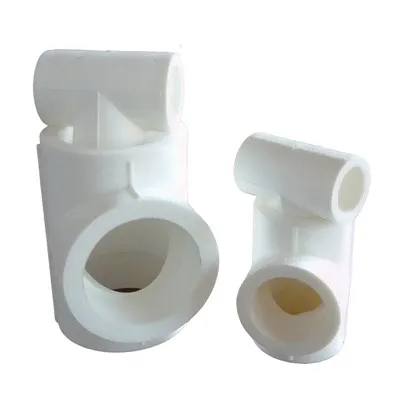
So, to sum it up, yes, our PVC Series can be used in wet environments, but you need to be aware of the temperature and chemical factors. With proper installation and maintenance, our PVC products will serve you well in wet conditions. If you’re interested in purchasing our PVC Series products or want to learn more about how they can fit into your wet – environment projects, get in touch. Let’s have a chat and see how we can make your project a success.
PERT Pipe References
- "Polyvinyl Chloride (PVC) Plastics: Properties and Applications" – Plastics Industry Association
- "Water – Resistant Materials in Construction" – Building Materials Journal
- "Installation Guidelines for PVC Products" – Our in – house research and development team
Hebei Ruijie Pipe Industry Co., Ltd.
Address: Industrial Park, Shaozhuang Township, Suning County, Cangzhou City, Hebei Province
E-mail: 1987870474@qq.com
WebSite: https://www.rjpprpipe.com/
