Hey there! If you’re in the market for manual stackers, you’ve probably given some thought to how these handy little machines get from our supplier’s place to your doorstep. As a manual stackers supplier, I’ve seen it all when it comes to transporting these essential pieces of equipment. So, let’s dig into the nitty – gritty of how to transport manual stackers. Manual Stackers
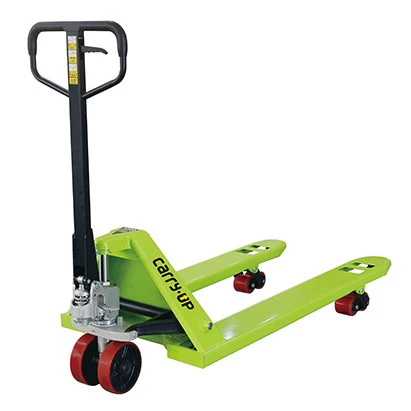
First off, why is proper transportation so important? Well, manual stackers are precision tools. They’ve got moving parts, hydraulic systems in some cases, and they need to be in top – notch condition when they reach you. A bumpy ride or improper handling during transport can lead to damage, which means delays for you and extra headaches for everyone involved.
Pre – transport Preparations
Before we even think about loading a manual stacker onto a truck, we’ve got a ton of prep work to do. The first step is to do a thorough inspection of the stacker. We check all the parts, from the forks to the wheels and the hydraulic system if it’s a hydraulic model. Any loose parts are tightened up, and if we find any pre – existing damages, we make a note of them. This way, we can avoid any disputes later on and ensure that the stacker is in the best possible condition for transport.
We also need to clean the stacker. Dirt and debris can cause damage during transport, especially if they get into moving parts. So, we give it a good wipe – down, removing any dust, grease, or other contaminants. This not only protects the stacker but also makes it easier to handle.
Next, we think about securing any loose components. If the stacker has removable parts like side guards or additional attachments, we either remove them and pack them separately or secure them tightly to the main unit. This reduces the risk of them getting damaged or lost during transit.
Packaging
Packaging is a crucial part of transporting manual stackers. We use high – quality materials to protect the stacker from scratches, dents, and other types of damage. For smaller manual stackers, we might use custom – made cardboard boxes that are reinforced with foam or bubble wrap. This provides a cushioning effect and keeps the stacker safe during handling and shipping.
For larger and heavier stackers, we often use wooden crates. These crates are sturdy and can withstand the rigors of transportation. We line the crates with padding to further protect the stacker. The stacker is carefully placed inside the crate, and then we use straps or bolts to secure it firmly in place. This prevents it from moving around during transit, which could cause damage.
Loading
Once the stacker is properly packaged, it’s time to load it onto the transport vehicle. We’ve got to use the right equipment for this. For smaller stackers, a forklift or a pallet jack can be used to lift and move them onto the truck. Bigger stackers might require a crane or other heavy – lifting equipment.
Safety is our top priority during the loading process. The load has to be balanced properly on the vehicle. If it’s not, it can cause the vehicle to become unstable, which is a huge safety hazard. We make sure that the stacker is centered and that the weight is evenly distributed across the truck bed.
We also secure the stacker to the vehicle. Straps, chains, or other types of restraints are used to keep it from shifting during the journey. This is super important, especially when the truck is going around corners, braking suddenly, or accelerating.
Choosing the Right Transport Method
There are a few different ways to transport manual stackers, and the choice depends on a few factors.
If you’re located nearby, local delivery might be the best option. We can use a small truck or van to pick up the stacker from our warehouse and deliver it straight to your place. This is often quicker and more cost – effective for short – distance deliveries.
For longer distances, we usually rely on freight carriers. There are different types of freight, including less – than – truckload (LTL) and full – truckload (FTL). If you’ve only ordered one or two stackers, LTL might be a good choice. It’s more cost – efficient because your stacker shares space with other shipments. However, it can take a bit longer because the truck has to make multiple stops.
If you’ve placed a large order of manual stackers, FTL is probably the way to go. With FTL, the entire truck is dedicated to your shipment, which means it can get to you faster. There’s also less handling involved, which reduces the risk of damage.
In – transit Considerations
Once the stacker is on the road, we’re still keeping an eye on things. We use tracking systems to monitor the progress of the shipment. This way, we can give you real – time updates on where your stacker is and when it’s expected to arrive.
We also make sure that the transport company is following all the safety regulations. The drivers need to be properly trained, and the vehicle should be in good condition. Bad weather can also be a concern, so we try to plan shipments around any major storms or adverse weather conditions.
Unloading and Final Checks
When the stacker arrives at your place, it’s time for unloading. Just like with loading, we need to use the right equipment and follow safety procedures. Once the stacker is unloaded, we do one final inspection. We check for any signs of damage that might have occurred during transit.
If everything looks good, we can help you with the setup and give you a quick training session on how to use the stacker safely. If there are any issues, we’ll work with you to resolve them as quickly as possible.
In conclusion, transporting manual stackers is a multi – step process that requires careful planning and attention to detail. From pre – transport preparations to final inspections, we do everything we can to ensure that your stacker arrives in perfect condition.
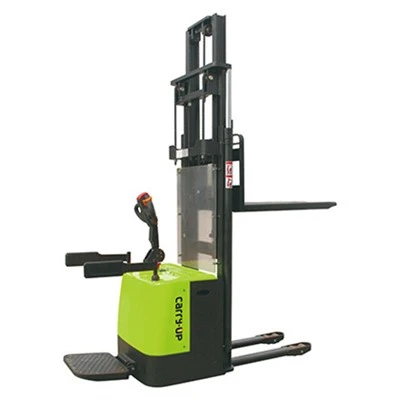
If you’re in the market for manual stackers and want to learn more about our products or talk about the transportation process, we’d love to hear from you. Whether you need a single stacker for a small business or a large order for a big warehouse, we’ve got you covered. Reach out to us for a chat, and let’s discuss how we can meet your manual stacker needs.
Manual Stackers References
- Industry best practices for material handling equipment transportation
- Packaging standards for industrial machinery
Hangzhou Carry Equipment Co., Ltd.
Hangzhou Carry Equipment Co., Ltd. is one of the most professional manual stackers manufacturers and suppliers in China, also supports customized service. Please feel free to buy advanced manual stackers for sale here and get quotation from our factory. For price consultation, contact us.
Address: No.360 Tongxiang Rd., Yinzhou Economic Development Zone, Yinzhou Dist., Ningbo, China
E-mail: Sales@carryupmhe.com
WebSite: https://www.carrymhe.com/
