Hey there! I’m a supplier of Polyether TPU products, and I know how tricky it can be to pick the right one. Polyether TPU, or thermoplastic polyurethane, has a ton of uses, from footwear to automotive parts. In this blog, I’ll share some tips on how to choose the one that’s perfect for your needs. Polyether TPU
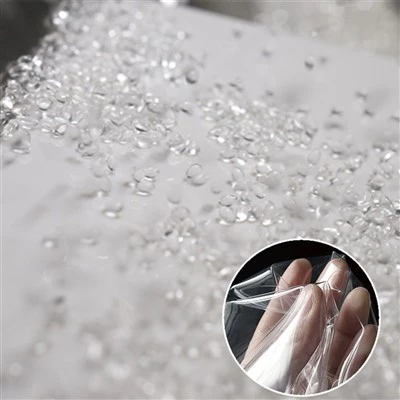
Understand Your Application
The first step in choosing the right Polyether TPU product is to have a clear understanding of your application. Different applications require different properties from the TPU. For example, if you’re making footwear, you’ll need a TPU that’s flexible, comfortable, and has good abrasion resistance. On the other hand, if it’s for automotive parts, you’ll want a TPU that can withstand high temperatures, has good chemical resistance, and is tough enough to handle the stresses of the vehicle.
Let’s say you’re in the sporting goods industry. You might be making phone cases for athletes. In this case, you need a TPU that can absorb shock well, protect the phone from impacts, and also be durable enough to last through intense workouts. Consider the environment where the end – product will be used. Will it be exposed to water, chemicals, or extreme temperatures? These factors will greatly influence the type of Polyether TPU you should choose.
Consider the Hardness
Hardness is a crucial factor when selecting Polyether TPU. It’s usually measured on the Shore hardness scale. A lower Shore hardness value means the TPU is softer and more flexible, while a higher value indicates a harder and more rigid material.
For soft and flexible applications like gaskets or seals, a TPU with a Shore hardness in the range of 70A to 80A might be a good choice. These materials can easily conform to irregular shapes and provide a tight seal. If you’re looking for something more rigid, like a structural component in a machine, you might want to go for a TPU with a Shore hardness of 60D to 70D.
Keep in mind that the hardness of the TPU can also affect other properties. Softer TPUs generally have better impact resistance, while harder ones tend to have better abrasion resistance. You’ll need to find a balance based on your specific requirements.
Look at the Mechanical Properties
Mechanical properties are another important aspect to consider. Tensile strength, elongation at break, and tear strength are some of the key mechanical properties of Polyether TPU.
Tensile strength refers to the maximum amount of stress a material can withstand while being stretched. This is important if your application involves the TPU being pulled or stretched, such as in conveyor belts or straps. A higher tensile strength means the TPU is less likely to break under tension.
Elongation at break indicates how much the TPU can stretch before it breaks. For applications where flexibility and the ability to stretch are crucial, like in elastic bands or swimwear, you’ll need a TPU with a high elongation at break.
Tear strength measures the resistance of the TPU to tearing. If your product is likely to be subjected to tearing forces, like in handbags or protective covers, a TPU with good tear strength is essential.
Evaluate the Chemical Resistance
Depending on your application, the TPU might be exposed to various chemicals. It’s important to choose a Polyether TPU that has good chemical resistance to the substances it will come in contact with. For example, if your product will be used in a chemical – processing plant, it needs to resist chemicals like acids, alkalis, and solvents.
Some Polyether TPUs are more resistant to certain chemicals than others. You can refer to the material data sheets provided by the manufacturer to get information about the chemical resistance of different TPU grades. If possible, conduct your own tests to ensure that the TPU can withstand the specific chemicals in your application environment.
Check the Processing Compatibility
The ease of processing is also an important consideration. You need to make sure that the Polyether TPU you choose is compatible with your manufacturing process. There are several common processing methods for TPU, including injection molding, extrusion, and blow molding.
Injection molding is suitable for making complex shapes with high precision. If you’re using this method, you need a TPU that has good flow characteristics and can fill the mold cavities easily without leaving any voids or defects.
Extrusion is often used for making continuous products like tubes, sheets, and profiles. For extrusion, the TPU should have good melt strength and be able to maintain its shape during the extrusion process.
Blow molding is used to make hollow products. The TPU needs to have the right balance of melt viscosity and elasticity to be successfully blow – molded.
Consider the Cost
Cost is always a factor in any purchasing decision. While you don’t want to compromise on quality, you also need to find a Polyether TPU that fits within your budget. Different grades of TPU can vary significantly in price depending on their properties and performance.
Compare the prices of different suppliers and look for any cost – saving opportunities. Sometimes, you might be able to find a slightly lower – cost TPU that still meets most of your requirements. However, be careful not to sacrifice key performance characteristics for a lower price.
Read the Reviews and Get Feedback
Before making a final decision, it’s a good idea to read reviews from other customers who have used the Polyether TPU products. You can find reviews online or ask your industry contacts for their experiences. This can give you valuable insights into the real – world performance of the TPU, such as its durability, processability, and overall quality.
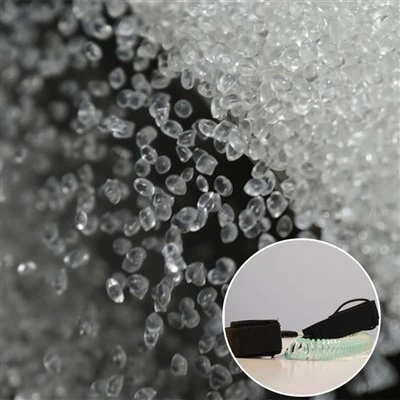
You can also ask the supplier for samples of the TPU you’re considering. By testing the samples in your own application, you can get a first – hand experience of its properties and determine if it’s the right fit for you.
Contact Us for Your Polyether TPU Needs
TPU Choosing the right Polyether TPU product is not an easy task, but I hope these tips have given you a better idea of what to look for. As a Polyether TPU supplier, we’re here to help you make the best choice. If you have any questions or need more information about our products, feel free to reach out to us. We can provide you with detailed product specifications, samples, and any other support you need to ensure you get the right Polyether TPU for your application. Let’s start a conversation about your Polyether TPU requirements and find the perfect solution together!
References
- "Thermoplastic Polyurethanes: Properties, Processing, and Applications" – Published by a well – known polymer science research group.
- Manufacturer’s data sheets for various Polyether TPU products.
- Industry reports on the use of Polyether TPU in different applications.
Singbon New Materials(Shandong) Co., Ltd.
With abundant experience, we are one of the most reliable polyether TPU manufacturers and suppliers in China. We warmly welcome you to wholesale advanced polyether TPU at low price from our factory. If you have any enquiry about quotation and free sample, please feel free to email us.
Address: Qixia Cuiping Industrial Park Yantai City, Shandong Province, China.
E-mail: DBG1@singbonpu.com
WebSite: https://www.tpusingbon.com/
