Alright, let’s cut through the crypto jargon and talk about something you’ve definitely heard a million times: decentralized blockchain. As someone who’s been in the chain supply game for years—wait, no, wait, I mean, I run a small, no-BS chain supplier that’s been keeping the wheels moving for businesses big and small for over a decade—blockchain isn’t just the fancy tech behind Bitcoin. It’s actually a framework for how we store and move value, data, and trust that’s shifting everything from how you order office supplies (okay, maybe not that, but close) to how governments handle votes. Let’s break it down like we’re chatting over a coffee, no whiteboard required. Chain
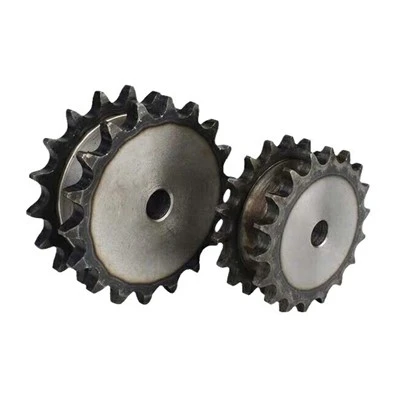
First, let’s get one thing straight: I’ve heard every joke about blockchain and crypto being a scam. Half the time, when I tell folks what I do, they’re like “Oh, so you supply parts for Bitcoin miners?” Nope. My company makes the actual physical chains—heavy-duty ones for trucking, secure ones for logistics, even small locking chains for retail. But here’s the thing: the same “decentralized” logic that makes blockchain work for crypto is starting to change how we think about all supply chains, including mine. That’s why I’m not just talking about blockchain as a buzzword; I’m talking about why it matters to you, no matter what business you’re in.
Let’s start with the old way of doing things. Remember when you order a custom chain from me, and you have to check in with your sales rep, then my production team, then the shipping guy, and wait three weeks for an update? Half the time, the info is out of date by the time it reaches you—like, I shipped it yesterday but your rep is still saying it’s “in production.” That’s centralized tech for you. Centralized means there’s one main guy (or company) in charge of all the data. You go to Google, that’s centralized; you use your bank, that’s centralized; even some older supply chain tools are centralized. One point of control, which works great if that guy’s on top of things, but if they drop the ball, everyone suffers.
Now, decentralized blockchain. Let’s replace that “one main guy” with a whole room of people—let’s say my whole team, your whole team, the shipping company, even a third-party inspector. Everyone has a copy of the same list. Not a copy they can edit alone, either—you can’t change the shipment date in your copy, and I can’t change it in mine without everyone else agreeing first. That’s a “block” of data, right? Each block is a set of information (when was the chain ordered? what size? when shipped?) and it’s linked to the block before it, so if someone tries to fudge a number—like me saying I shipped it a week early—everyone else’s copy will show the real date. It’s like a group text that can’t be edited by one person, and every message is saved forever.
Wait, let’s make that real for my business. Last year, a client ordered 500 custom steel chains for a cross-country trucking route. The old way: we told them production would take 10 days, then we hit a delay because a steel mill we use was backed up. We called the client, left a message, and by the time they got back, they were panicking because their trucking deadline was pushed. If we’d used a basic decentralized blockchain for our supply chain, here’s what would’ve happened: we’d have logged the order, the steel mill would’ve logged when their shipment to us was delayed the second it happened, and the client would’ve seen that update on their dashboard right away. No one calling, no one waiting for messages. The data was there for everyone to see, no middleman lying or dropping the ball.
That’s the core of decentralized blockchain, by the way. Three key things that make it different from regular old databases. First, no single authority. Like, you don’t have a “boss” that controls all the data—everyone in the network has a copy, so if one person’s computer crashes, everyone else still has the info. Second, it’s immutable. Once a block is added, you can’t change it without everyone else’s say-so. So no more “oops, we messed up the invoice” by changing a number after the fact. Third, it’s transparent. Anyone in the network can see the data, but only if they’re part of the network. That’s not like posting your bank balance on social media—your personal info is still private, but the important stuff (like when your order ships) is open to the people who need to know.
Let’s get back to the crypto thing, because I know you’re wondering. Bitcoin uses a decentralized blockchain, right? So instead of a bank being the middleman for a $100 transfer, it’s all the computers on the Bitcoin network that verify it. No bank can freeze your account, no bank charges you a $25 transfer fee. But here’s the mistake people make: they think blockchain is crypto. No, crypto is just one thing you can build with blockchain. My chain company? We’re starting to test a small blockchain for our own orders, because it cuts out the middleman, speeds up communication, and makes mistakes way harder.
Now, let’s address the elephant in the room: the bad stuff. I’ve seen crypto scams, I’ve seen people lose millions because they bought into a project that had no real use case. But that’s not blockchain’s fault—that’s people using it wrong. Decentralized blockchain is a tool, same as a wrench or a steel chain. A wrench can build a house or break a window; blockchain can make your supply chain better or be used for silly crypto coins that go nowhere. The key is focusing on use cases that matter, not just the hype.
For small businesses like mine, blockchain isn’t some far-off tech we can’t afford. We started with a simple open-source tool a few months ago, no fancy fees, and it’s already cut our order follow-up time by 70%. No more checking in with three different people to get a shipping update. Now, when a client logs in, they see the exact status of their chain—ordered, cut, welded, shipped, delivered—all in real time, and it’s tamper-proof. That’s the real value, not the “get rich quick” crypto garbage.
Wait, let’s make this relatable to you, no matter what industry you’re in. If you’re a retailer, a decentralized blockchain can track where every product in your store came from—so if there’s a recall, you can see exactly which batch of chains (or whatever you sell) is affected, instead of pulling all your stock. If you’re a logistics company, it can make sure no one fakes a delivery confirmation. If you’re a small business owner tired of paying middlemen just to move information around, blockchain is your answer.
Now, let’s talk about why being a chain supplier means I get this. I don’t build software for a living, but I know about reliability. A chain is only as strong as its weakest link, right? Decentralized blockchain is like that, but for data. Instead of one weak link (a bad sales rep, a glitchy centralized database), you have hundreds of links (all the people in your network) keeping it strong. No single point of failure, no one person holding all the power. That’s why it’s decentralized, and that’s why it’s so different from anything we’ve had before.
I know this still sounds like a lot, so let’s recap: Decentralized blockchain is a shared, unchangeable list of records that’s controlled by no one and everyone at the same time. It’s not crypto, it’s not a scam, it’s a way to make things more transparent, faster, and fairer. For my chain company, it’s not a toy—it’s a tool that helps us serve clients better, keep orders on track, and avoid the headaches that come with old, clunky systems.

If you’re running a business, whether you need custom steel chains, secure locking solutions, or just a better way to track your supply chain, this tech isn’t something to ignore. It’s here, it’s working for people like me, and it’s only going to get bigger. If you want to chat about how decentralized blockchain can help your operations, or if you need a reliable chain supplier that’s been around for years (no crypto shortcuts, just good old-fashioned quality), feel free to reach out. We can grab a coffee (or a Zoom call, whatever works) and talk through it. No sales pitch, no jargon, just real talk about how we can help your business run smoother.
Chain References:
- Antonopoulos, A. M. (2017). Mastering Blockchain: Distributed Ledger Technology, Decentralization, and Smart Explained. O’Reilly Media.
- Tapscott, D., & Tapscott, A. (2016). Blockchain Revolution: How the Technology Behind Bitcoin Is Changing Money, Business, and the World. Penguin.
- World Economic Forum. (2023). Global Blockchain Adoption Report: Use Cases for Decentralized Ledgers in Supply Chains. WEF Press.
Anhui Huihuang Chain Transmission Co., Ltd.
Anhui Huihuang Chain Transmission Co., Ltd. is one of the most professional chain manufacturers and suppliers in China, also supports high quality customized service. Please feel free to buy discount chain made in China here from our factory. Welcome to contact us for pricelist and free sample.
Address: NO.3 YONGQIANG ROAD. JIXI.ANHUI.CHINA
E-mail: 754590660@qq.com
WebSite: https://www.hhchains.com/
